Hobby Collectibles App for Cards, Coins, and Memorabilia
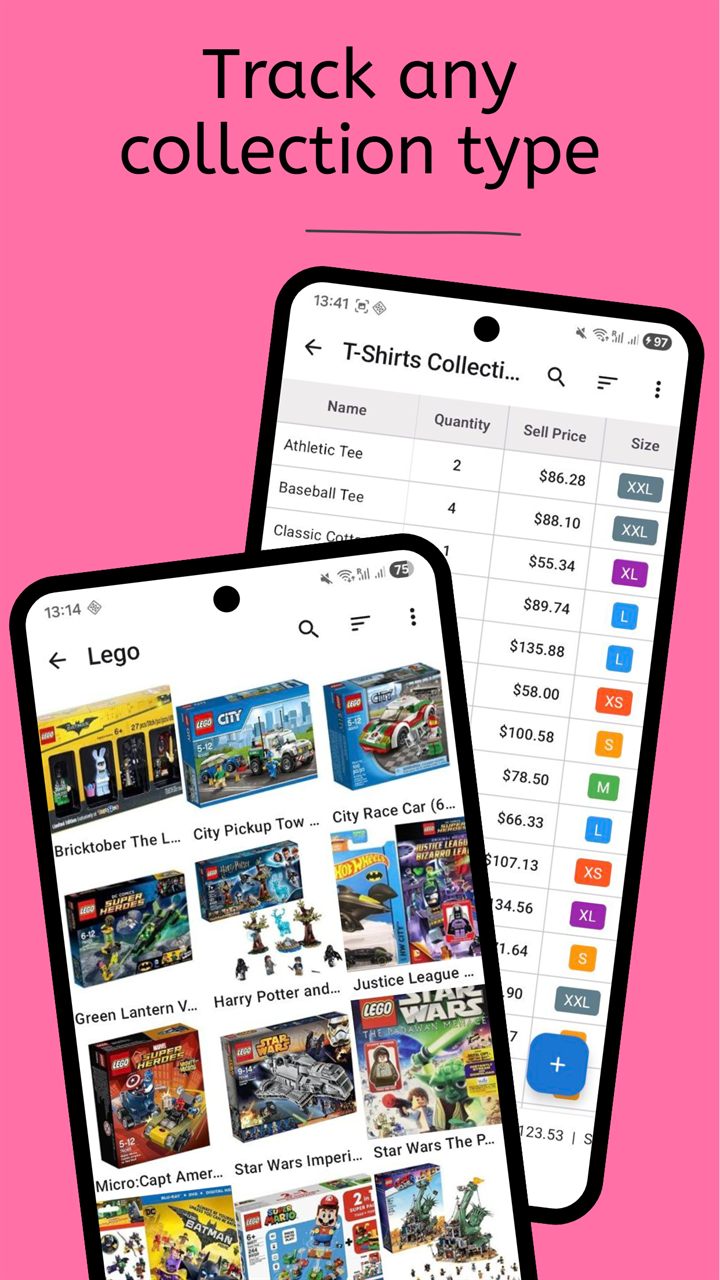
Collection & Inventory Tracker helps you catalog cards, coins, stamps, figures, LEGO sets, and memorabilia with flexible fields and photos. Each record can hold the details that matter to your collection instead of forcing everything into the same generic format.
It gives you a practical way to track condition, variants, provenance, and storage without relying on scattered notes.
Who it is for
It works well for hobby collectors who need more than a simple checklist. It fits graded cards, coin sets, limited-edition memorabilia, and mixed collections where each category needs different metadata.
If you buy, trade, or rotate inventory often, the app helps maintain clean records so you can evaluate value and duplication quickly. If your collection is mostly archival, it still gives you stable documentation for provenance, condition history, and storage mapping.
Many collectors use it as a long-term reference system. The goal is not only to count items, but to preserve context around each item so future reviews and decisions are faster and more accurate.
What to track
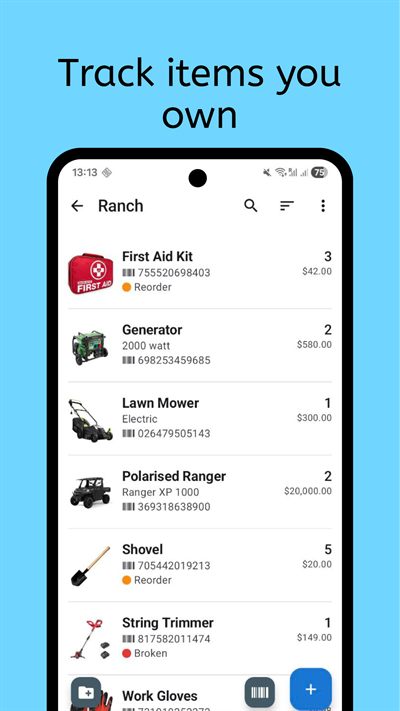
Collectibles data varies by category, so flexible fields are essential. You can define a shared base and then add specialized fields for each hobby segment.
- Identification: set name, card number, mint mark, series, release wave, or catalog code.
- Condition detail: grading, wear notes, restoration history, and photo documentation.
- Rarity and variant info: print run, alternate art, colorway, signature, or special edition tags.
- Acquisition records: purchase source, date, trade partner, and cost basis.
- Storage location: binder, slab case, display shelf, box, or safe reference.
- Status tracking: owned, listed, sold, wishlist, or duplicate inventory markers.
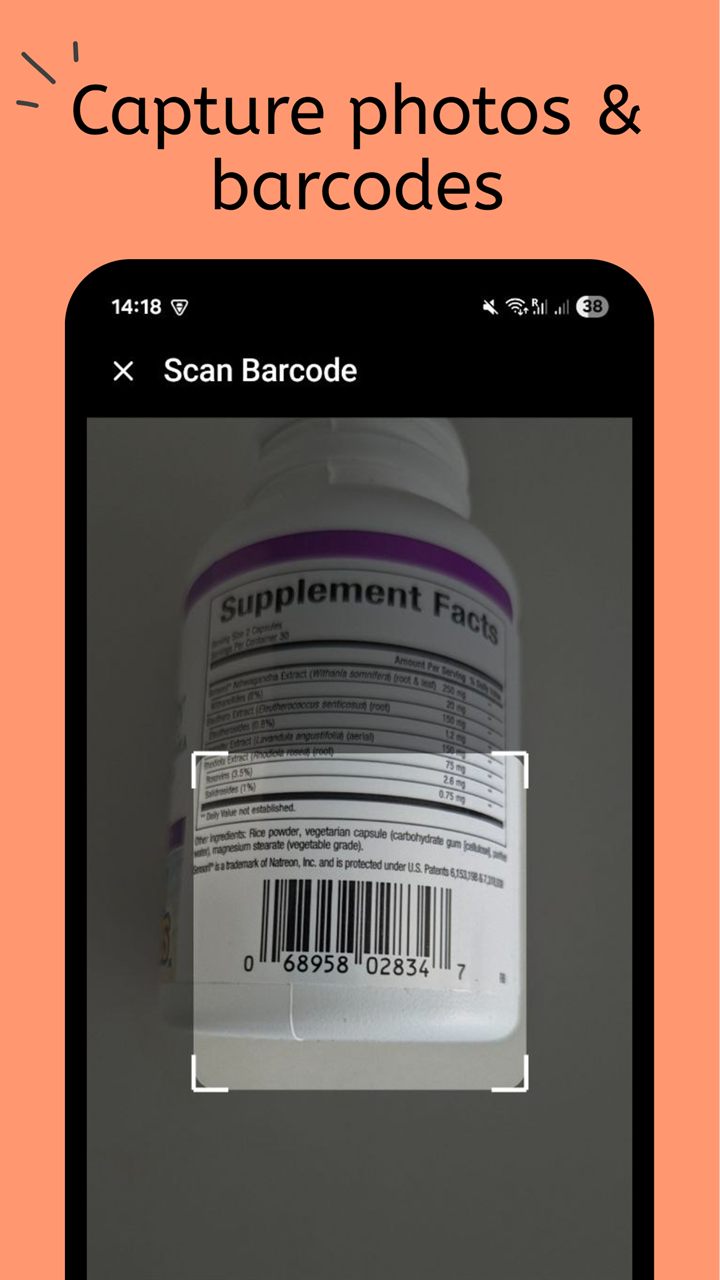
Photos and notes are especially valuable for collectibles. They let you keep visual confirmation of condition and packaging state, while custom fields preserve category-specific details that generic catalog tools usually miss.
How the workflow works
Collectors usually get the best results with a phased approach: structure first, then catalog intake, then periodic quality reviews. That pattern keeps your data complete without slowing down daily hobby activity.
- Create collectible categories and define required fields for condition, variant, and location before adding large item batches.
- Add items with photos and core identifiers first, then enrich with market and provenance details as needed.
- Review regularly using filters for missing fields, duplicates, or unresolved condition notes and update in focused sessions.
This setup works for both active trading and long-term archival collecting. You can keep quick intake for new items while preserving the detailed records needed for valuation and collection history.
As your catalog grows, internal tags and location fields make retrieval easier. Instead of searching manually through binders or bins, you can query by set, year, rarity, or storage zone in seconds.
Frequently Asked Questions
Can I use different fields for cards, coins, and memorabilia?
Yes. You can create custom fields per collection type so each hobby category has the right metadata structure.
Can I track condition and provenance in one place?
Yes. Item records can include condition notes, images, acquisition history, and any supporting details you need.
Is this useful for both active and archival collectors?
Yes. The same setup supports fast intake for active collecting and deep documentation for long-term archives.
Related collection pages
Use these related pages to connect hobby tracking with broader inventory and media use cases.
Organize hobby collectibles with Collection Tracker
Keep collectible records structured, searchable, and ready for review whenever you need them.